Blog List
Thoughts & Updates
Explore our gallery to learn more about our amazing products and their features.
2026-02-17
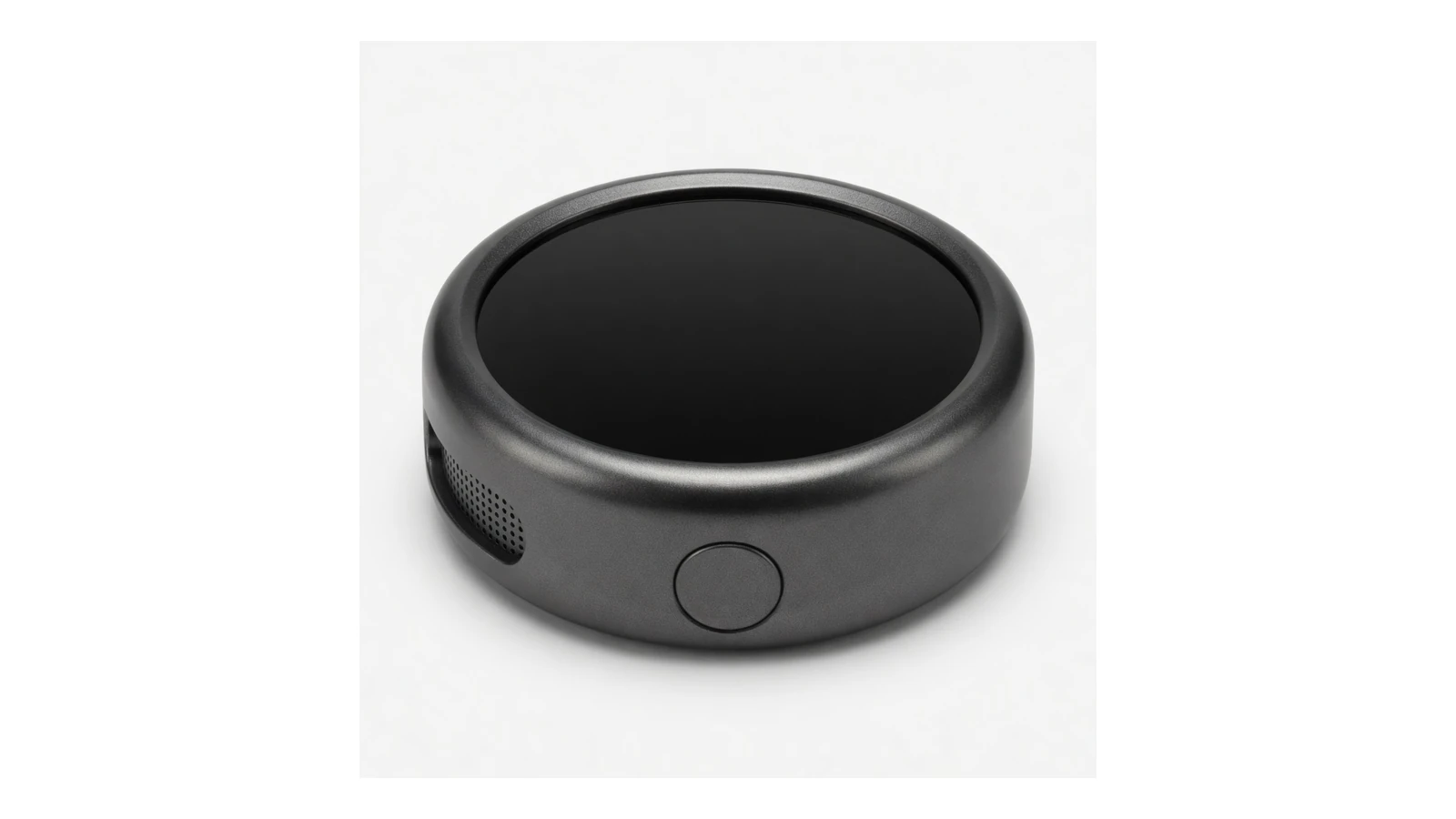
Why I Built Nexting AI — An AI Hardware That Does Less
From DJI embedded engineer to AI wearable entrepreneur. A founder's letter on why every AI hardware company makes the same mistake, why AI's real bottleneck is permissions not intelligence, and why Nexting AI (formerly Pinclaw) chose to do less.

2026-01-01
2025: 730,000 Lines of Code, One Clarity
From a complete beginner to shipping hardware, podcasts, websites, and open-source projects — how AI turned one person into an army, and what I learned along the way.
View All Categories
AI & Building
Ideas, Builds, and Lessons from the Trenches
From Nexting AI wearables to Nexting Design and multi-agent systems — notes on shipping products, growing startups, and everything I've learned along the way.
2026-11-05
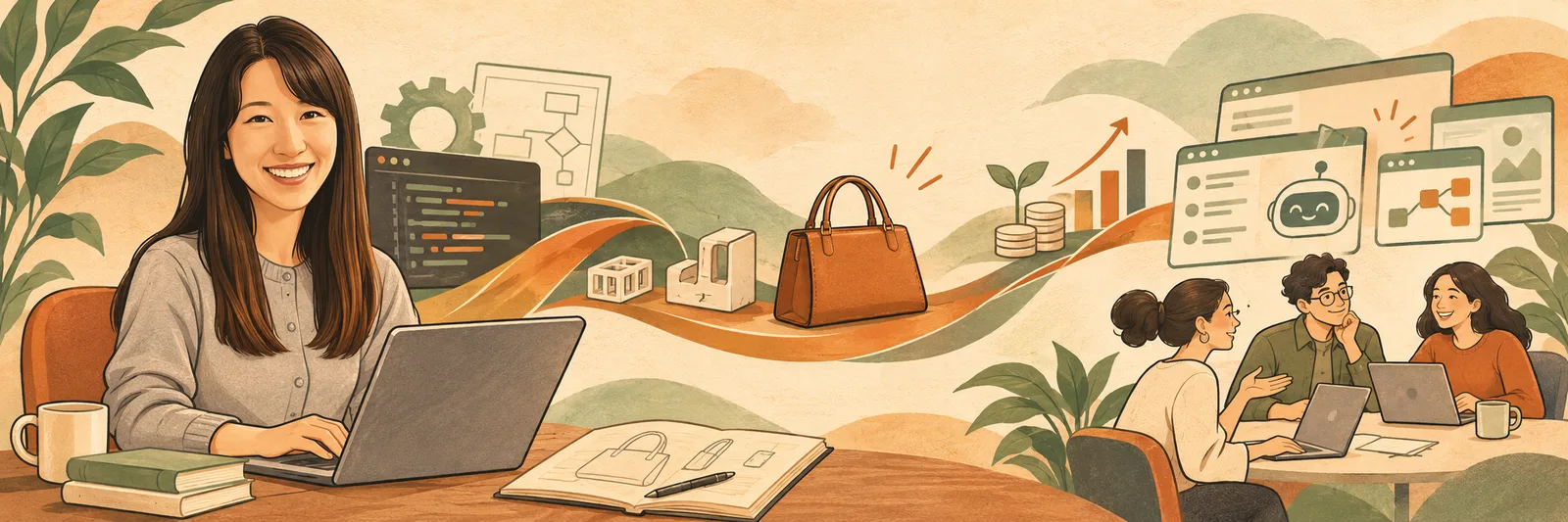
Cat Wu, Before OpenAI
Cat Wu from Princeton, Scale AI, and Index Ventures to leading Claude Code and Cowork, then joining OpenAI to run product for Core Products.
2026-11-04
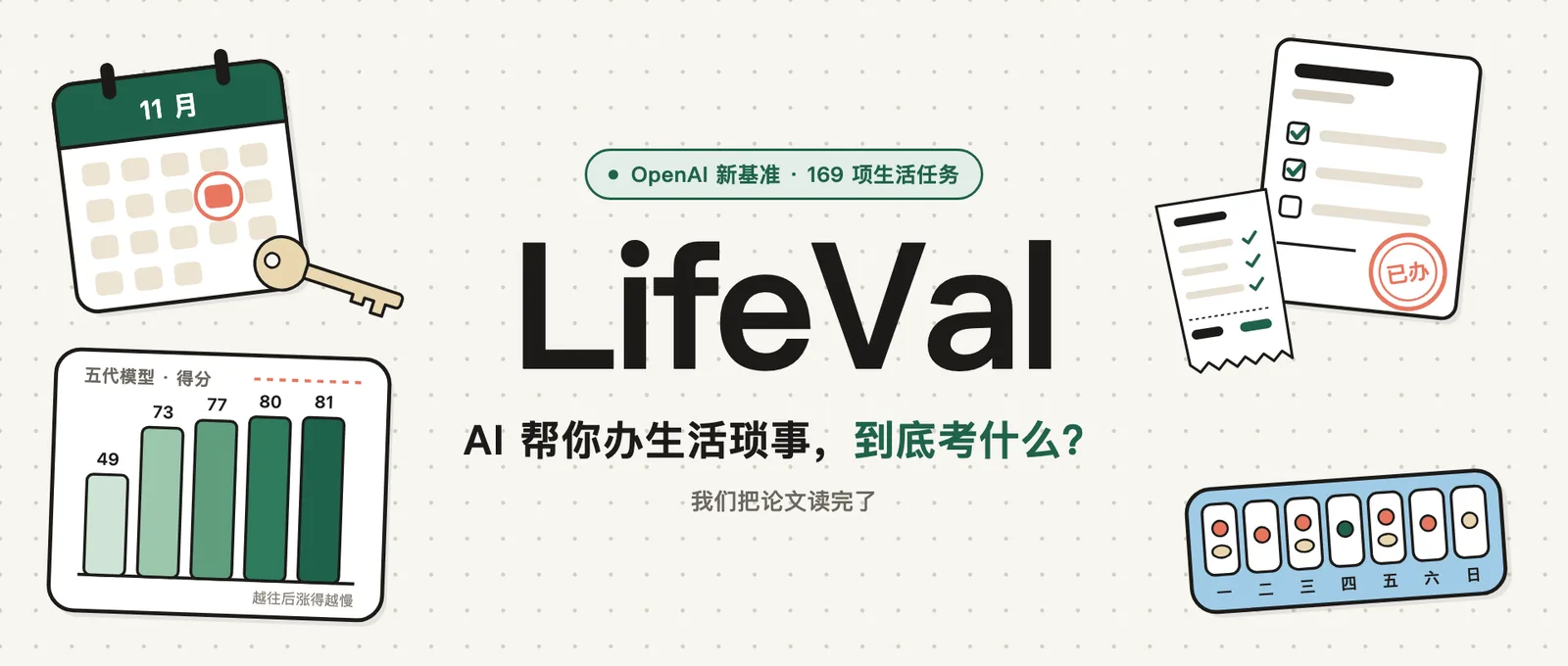
What Does OpenAI's LifeVal Actually Test?
OpenAI released LifeVal, 169 everyday tasks for an agent. We read the 16-page paper, then set the score next to other public agent benchmarks.
2026-11-04
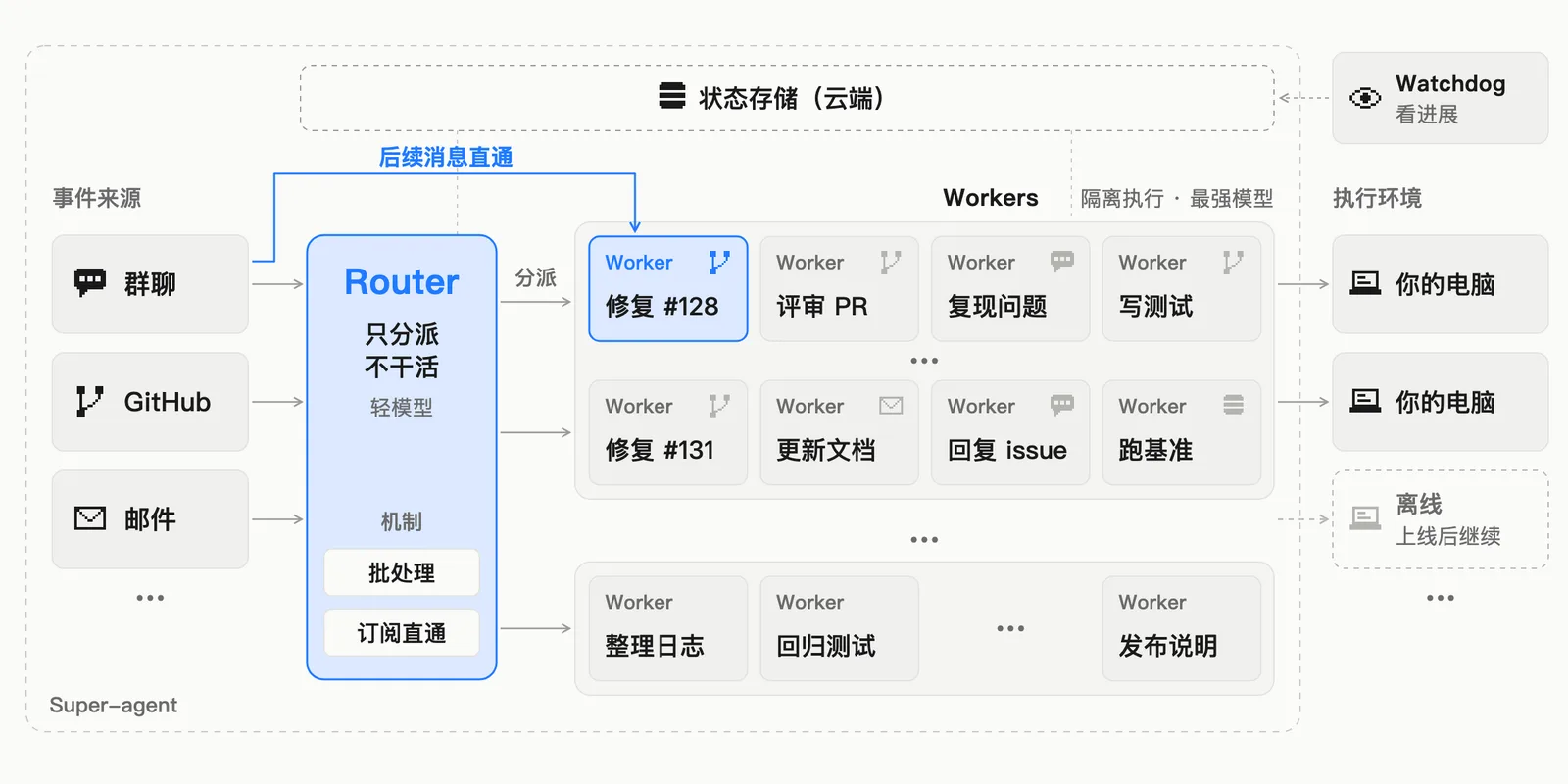
DeepSeek's New Design: Reading the Super-Agent Harness
DeepSeek's Harness team published a Super-agent architecture: the bottleneck is human attention, not the model. A section-by-section reading, set next to what Nexting already ships.

2025-06-04
An Open-Source Xiaohongshu MCP Product
I tried an open-source Xiaohongshu MCP that drives the logged-in web app through Electron and a Chrome extension. It can collect and export posts, but official API limits make it unstable, so I sketched a sturdier architecture and what I would add.

2025-05-30
Why Greatness Cannot Be Planned
Why Greatness Cannot Be Planned argues that ambitious goals are a poor guide, because the path is a chain of stepping stones you cannot see in advance. I use that idea to rethink education, vision versus targets, and why trying new things beats optimizing a straight line.
2025-05-22
Thoughts on Enterprise SaaS Products
Chinese SaaS never produced unicorns on the scale of ServiceNow or Salesforce, because large firms prefer to build in-house and pay for results rather than efficiency tools. AI raises the bar for that middle layer, and the opening may belong to products that carry consumer habits into smaller companies.

2025-05-20
Product Thinking for AI Travel
AI travel products sit in a crowded, time-saving consumer lane where giants already own distribution. I break down where wanderboat falls short on trust, sharing, and business model, and what a product would need to feel custom, safe, and worth paying for.

2025-05-16
Good AI Product Analysis 1/100: Cursor
A product manager's plain-language look at Cursor, an AI-native code editor. It covers the shadow workspace, multi-model support, built-in RAG, and what AI actually changes in editing, search, and review.
2025-05-15
How Does Manus's Multi-Agent Architecture Work?
How a multi-agent system like Manus can be built, and how those agents manage and share information. The note contrasts LangGraph's static graph with a boss-agent planner, then explains StateGraph write conflicts and a sequential fix.
2025-05-13
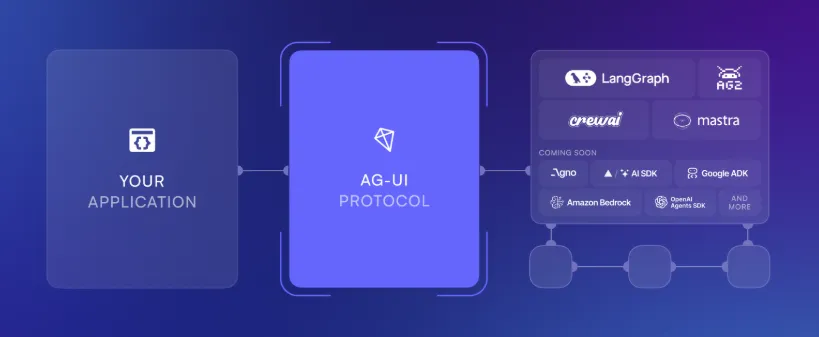
AG-UI User Guide
People say the next step after MCP is AG-UI, a protocol that joins an agent to a frontend. This post explains what AG-UI is, why it matters when frontend tooling falls short, and how to build a compatible endpoint.

2025-05-13
A Cat-Purr Algorithm, Explained
A few months ago I prototyped a cat-shaped AI companion whose purr should change with mood. This note explains how to rebuild a controllable purr by splicing inhale and exhale samples, then shifting frequency, ratio, pitch, and volume.
2025-05-11
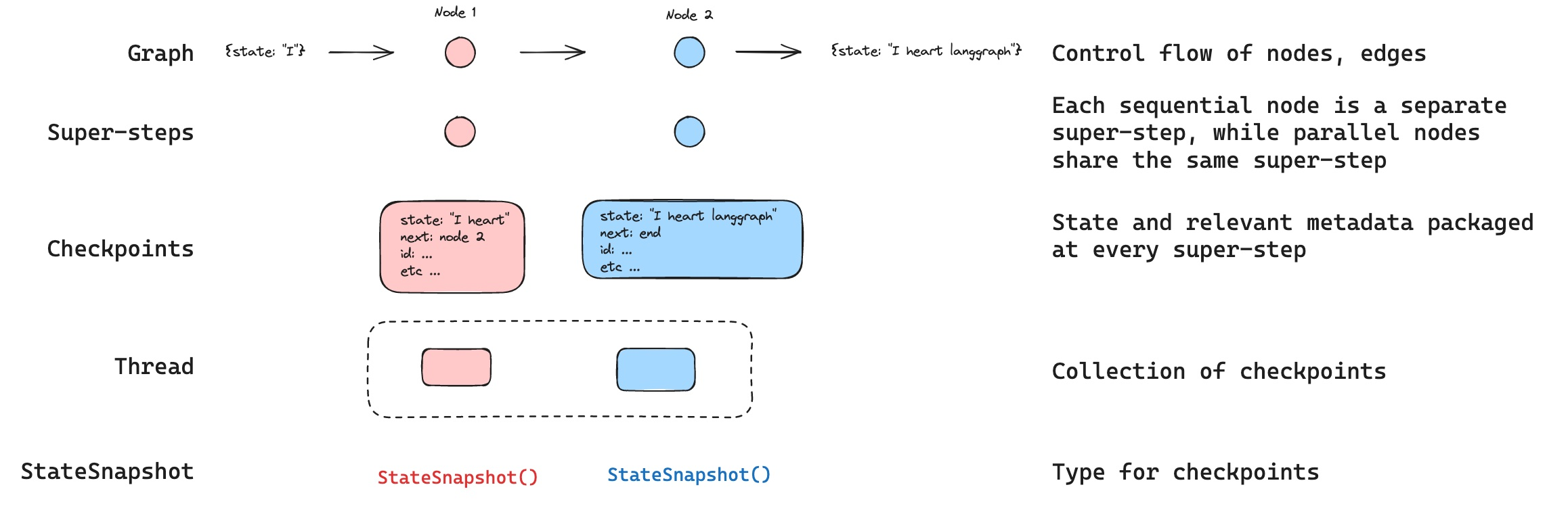
LangGraph Persistence Management: The Memory Module
Persistence is memory, the core of letting an AI remember a user's customization. LangGraph's checkpointer saves a checkpoint of graph state at every superstep, which makes human-in-the-loop, memory, time travel, and fault tolerance possible.
2025-05-10
The Appeal of LangGraph
As an AI product manager, the author finds LangGraph appealing because it builds applications by polling, which feels more intuitive than a traditional agent. It also supports multi-agent graphs, a persistence layer, human interaction, and MCP.
2025-05-01
What Actually Makes an AI Product Manager
If you have read The Innovator's Dilemma, the product is what companies really compete on, and old methods fail when the technology is revolutionary. Large firms miss new markets through path dependence: the better they serve yesterday's demand, the less they can focus on small needs and disruptive tech.

2025-04-20
Product Thinking for an AI Vocal Teacher
Audio generation and audio understanding run in opposite directions: one is generative, the other discriminative. An AI vocal teacher has to hear what is wrong in a singer's voice and give advice that fits that person, and the workable path looks like an LLM-style audio model rather than a small classifier.
2025-04-09
How to Build a Singing Model
I never shipped an AI audio model; this is a serial founder's look at whether you can distill one from an LLM. Open systems such as GPT-SoVITS and YuE show what is possible, but closed models like Suno still win on data, and the hard part is the dataset rather than the algorithm.
2025-03-14
Large-Model Interview Questions 1
Applications are a major direction for AI, and a good product depends on understanding the underlying principles. This is a set of common large-model interview questions and suggested answers, covering model basics, Transformers, attention, positional encoding, tokenizers, fine-tuning, and evaluation.
2025-01-14
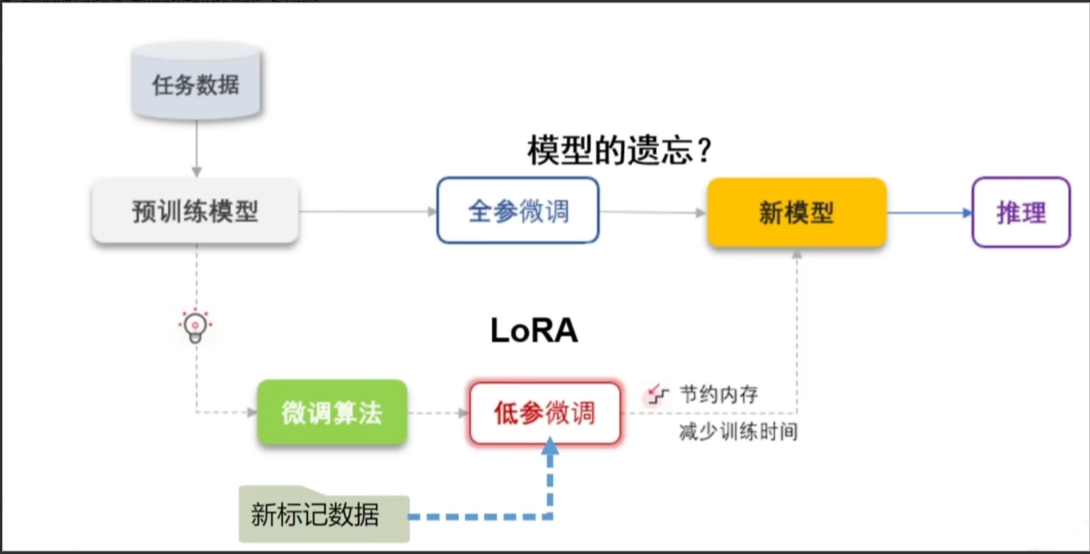
The Fine-Tuning Process for Large Models
Fine-tuning trains a pretrained model further on data for a specific task or domain, so the model adapts to that task. The flow runs from defining the goal and preparing data through preprocessing, training, evaluation, and deployment.
2024-10-14
Multi-Head Self-Attention in the Transformer
Multi-head attention is a core piece of the Transformer. Parallel heads, Q/K/V transforms, and a fused output let the model capture different features from several subspaces at once.