Cat Wu, Before OpenAI
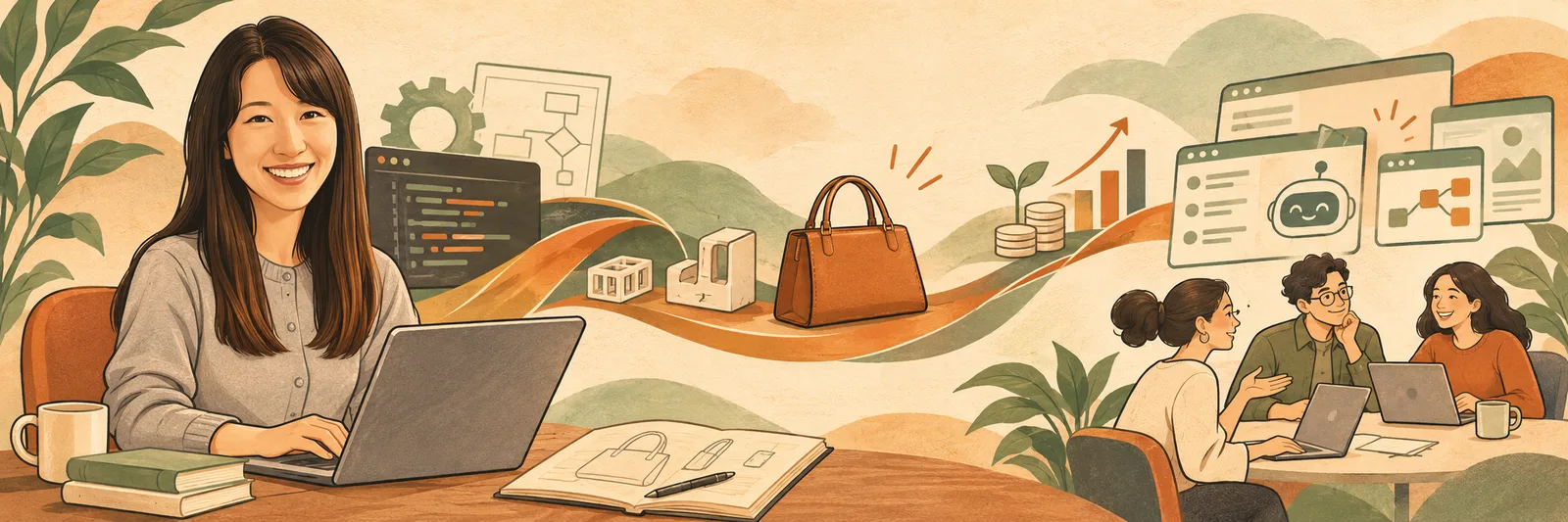
On the evening of November 4, 2026, U.S. Eastern Time, Cat Wu announced that she was joining OpenAI, in charge of product management for Core Products. A few days earlier, she had ended her work at Anthropic. Over the past two years, the role she was best known for was product lead for Claude Code and Cowork. Appointment news
The move has led more people to ask what this product lead, who often appeared alongside Claude Code creator Boris Cherny at launches and in interviews, had actually done.
I cross-checked the résumé I could find, the articles she herself wrote, and several long interviews. Public records of the early work are relatively scattered; the material after she joined Anthropic is much richer. Set in order of time, these materials show a career path that kept moving closer to users and products. She did engineering, took part in commercial product development, spent nearly three years researching and investing in technology companies, and in the end returned to the front line.
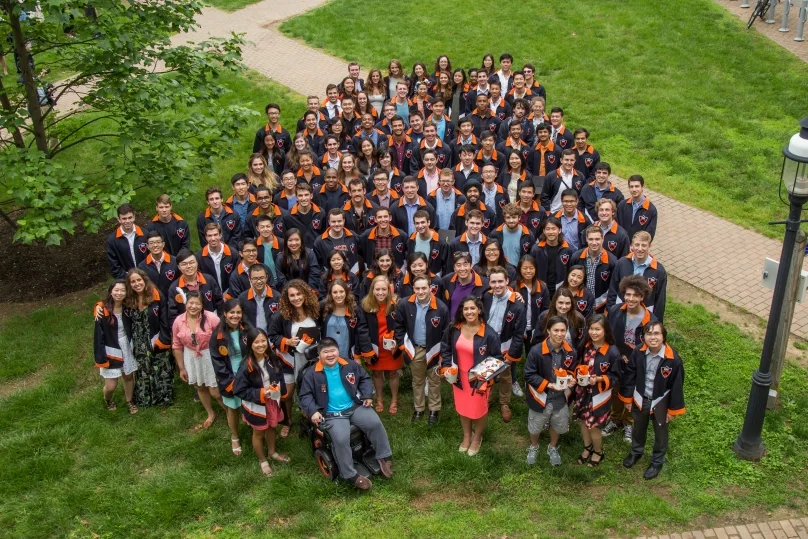
Cat Wu's full name is Catherine Wu. As an undergraduate she studied computer science at Princeton. Her name is on the school's 2017 graduation list. For the work she did later, engineering training was a very concrete foundation. When a product idea entered implementation, she could take part in the discussion and also verify it herself. Princeton graduation list
In 2018, she joined Scale AI as a product engineer. Her work at the time involved enterprise customers and the data-annotation business. A career profile that has survived also says that she took part in growing the annotator community and worked with important customers in autonomous driving. Around 2020, she moved to Elementl, the company that develops Dagster, as an engineering manager, and took part in developing the commercial product Dagster Cloud. Conference speaker material describes this stretch of work as running from conception all the way to early user onboarding. Early career profile; Conference speaker profile
These two stretches of experience have one thing in common: the software she dealt with had to actually enter a customer's workflow. Engineers had to build the thing, and customers had to be able to use it. Especially once it reached the commercial-product stage, questions of deployment, service, and purchasing also appeared beyond the features. This work gave her relevant experience for later taking charge of developer products.
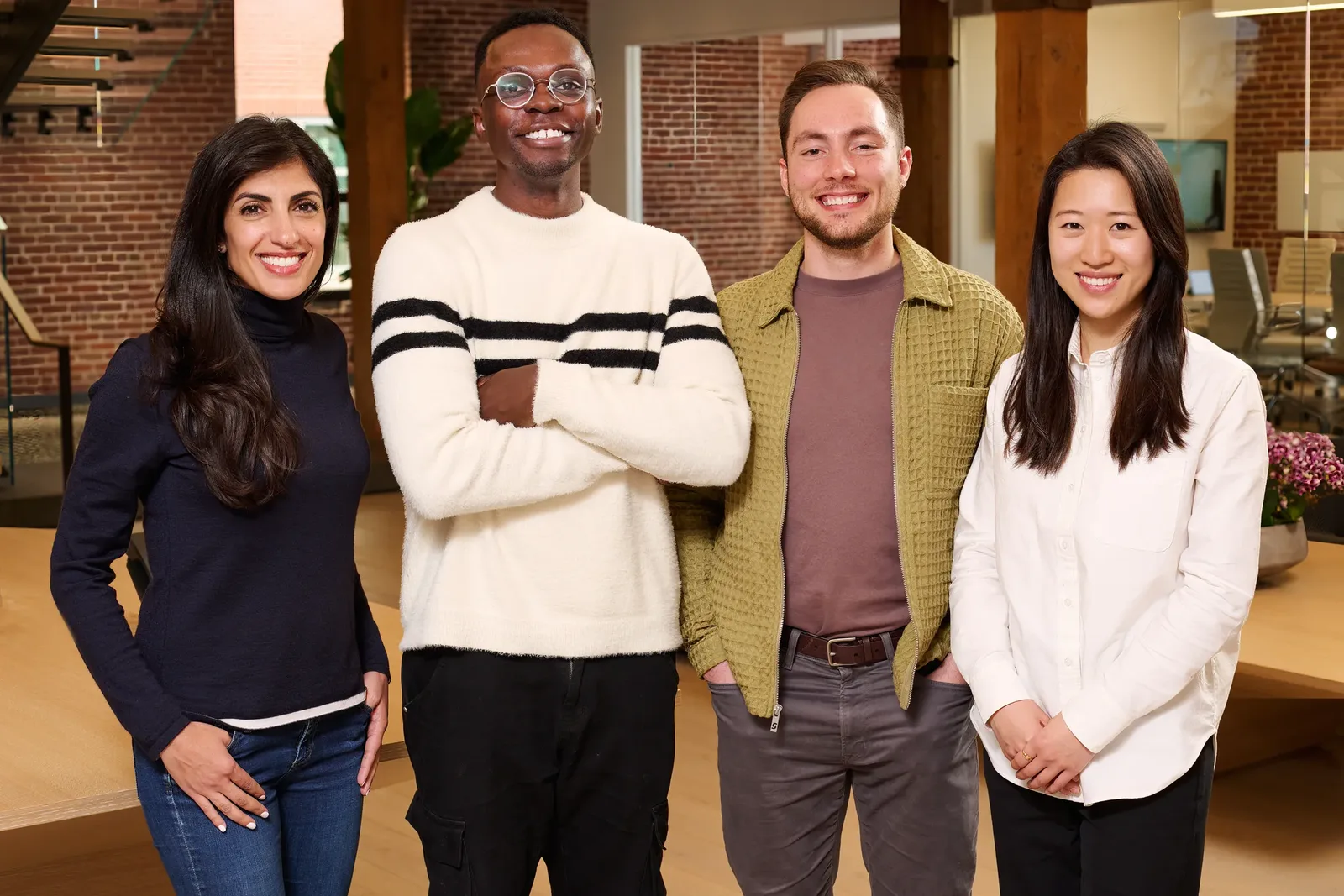
In October 2021, Cat joined Index Ventures and began investing. She focused on early-stage enterprise software, and was especially interested in data infrastructure, developer tools, and artificial intelligence. By 2024, an official Index article already listed her as Partner. In that article introducing the AI industrial-design company Vizcom, she appears in a photo together with partner Nina Achadjian and Vizcom's two founders. Index's official article
An investor's work gave her a chance to observe technology companies from the other side. Why a developer chooses a tool, and what kind of product is worth an enterprise paying for, were questions connected to her earlier engineering work. As for which specific investments she led, the material now available is not enough to draw up a reliable personal scorecard.
One thing can be confirmed: while she was investing, she was still writing code. She later recalled that she would write programs to scan social platforms for news of startups, and would look for open-source projects that were gaining attention, using software to handle the repetitive parts of the work. Cat's bylined article
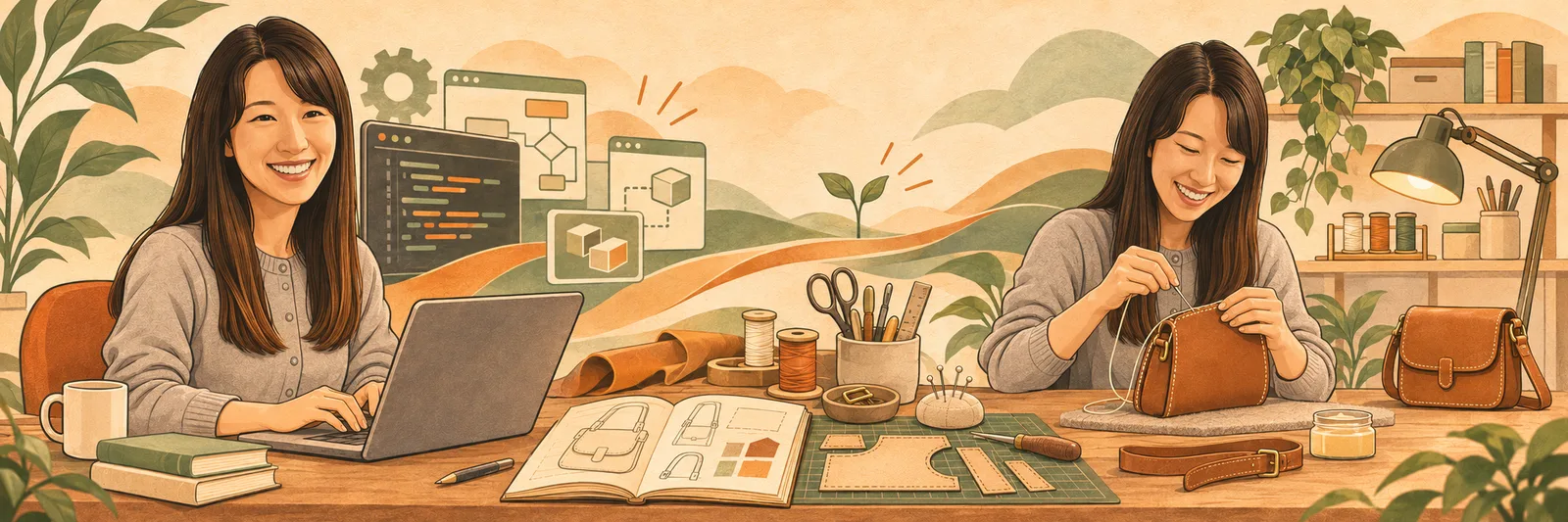
She also left a piece of work quite unlike the technology industry. In June 2021, she wrote a tutorial on making a leather bag in her personal newsletter. During the pandemic, she grew fond of an Il Bisonte leather bag a friend had given her and wanted to make one herself. The apartment had no room for power tools, so she bought a $40 set of starter tools and began by learning to cut and stitch by hand.
The leather she bought at first was thick and stiff, and she spent a long time struggling with a folding knife that was not very steady. Later she searched forums, changed materials, and studied patterns, and gradually made a whole set of leather goods. The tutorial describes how to line up the stitch holes on adjacent pieces of leather, and says that stitching took three or four hours, during which she would listen to podcasts. She also said frankly that she was not especially set on making every stitch perfect. What the article leaves at the end is a finished bag that can hold a phone, sunglasses, and a wallet. Her tutorial on making a leather bag
Reading this tutorial shows a side of her that the résumé does not. She says what she bought wrong and which step she still did not do well enough, and she is willing to write down the methods she tried so that other people can follow them.
In August 2024, Cat joined Anthropic, working at first on the Research PM team. This team connected model research with real customer needs. She began using the internally available Claude Code, built a tool for analyzing user feedback, and also tried to set up evaluations and reinforcement-learning environments. In a bylined article she recalls that these projects added up to hundreds of hours of interaction with the model, and that the code was not written by her by hand. Her own recollection of joining and of the early work
Claude Code was still very rough then. In a later oral history, Cat said she used the Claude CLI demo version that Boris had put out, and often sent him long feedback. Boris would reply quickly about which features had already been added and which problems had already been fixed. She became an active internal user, and later received an invitation to join the team. A public reprint of Anthropic's oral history
The order in which she entered this project is very clear. She first used it in her own work, ran into problems, gave feedback again and again, and then took part in making it into a product. The earliest requirements came from inconveniences in real use.
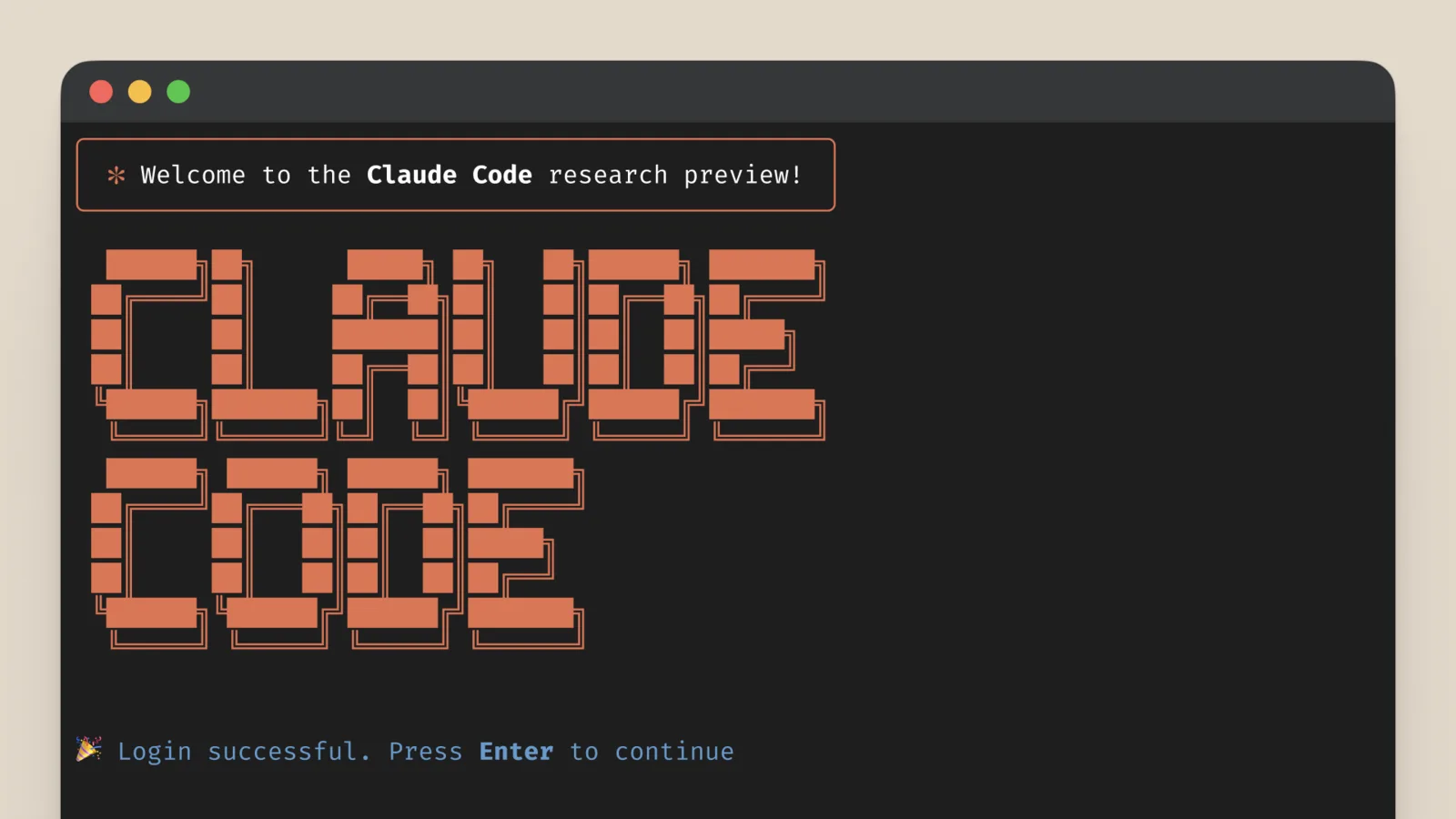
On February 24, 2025, Anthropic released a limited research preview of Claude Code together with Claude 3.7 Sonnet. Developers could hand engineering tasks to Claude directly in the terminal. On May 22, Claude Code officially opened, with integrations for VS Code and JetBrains and the ability to run background tasks through GitHub Actions. Research preview announcement; Official opening announcement
Over these months, the problems the team faced began to change. External users were not necessarily willing to tolerate flaws that internal colleagues would. How a new feature gets discovered, how price is set, and how far a capability has to go before it can be released all needed someone making judgments on an ongoing basis.
Cat and Boris later gave a joint interview and talked about how the two of them divided the work. She said Boris was responsible for technical direction and also put forward many important product ideas, and that her own job was to make pricing and plans fit users, decide which prototypes were worth trying, set quality standards, and then push features through to release. Boris then added that Cat had also contributed a great deal to product direction. Joint interview, from about the 7-minute mark; Interview transcript
A feature an engineer has written has to go through trial, choices about what to keep and what to drop, and revision before it becomes the product a user actually encounters. Features such as the to-do list, Hooks, and plugins also had specific team members taking part in creating them. Cat's responsibilities put her in many of the decisions, but the success of Claude Code cannot simply be credited to any one person.
In the summer of 2025, the pair also went through a brief departure. Press reports said the two joined Anysphere, the company that develops Cursor, and returned to Anthropic about two weeks later. To the outside world, this was a conspicuous career interlude; why they left, and why they came back, there is not enough public explanation. Business Insider's look back at this episode
After returning to Anthropic, Cat continued to be in charge of product work on Claude Code. In August 2025, in an official interview, she described one way the team worked. When an engineer had an idea, they would first quickly make a prototype and give it to people inside the company to use. Whether people understood it, and whether they were truly willing to use it, determined how the feature would be changed next. If the reaction was poor, they went back and made it again.

She believed that developers' working habits differ a great deal. The same editor integration can be built in many specific forms, and only by putting it into daily work can you tell which way feels natural. She also observed that many people run multiple Claude sessions at the same time. The team at first thought this was only something a few advanced users did, and later found that it was quite common. Anthropic's official interview
Users found uses the team had not anticipated, and product planning had to adjust along with them.
By November 2025, Claude Code's commercial scale was already considerable. In a December announcement, Anthropic said its annualized revenue run rate had reached $1 billion, about six months after it officially opened in May. That number is converted from the revenue pace at the time and cannot be treated as a full year's revenue already received. It at least shows that Claude Code had grown from an internal experiment into an important business. Anthropic's revenue-milestone announcement
After the business grew, the users she faced also began to extend beyond programmers.
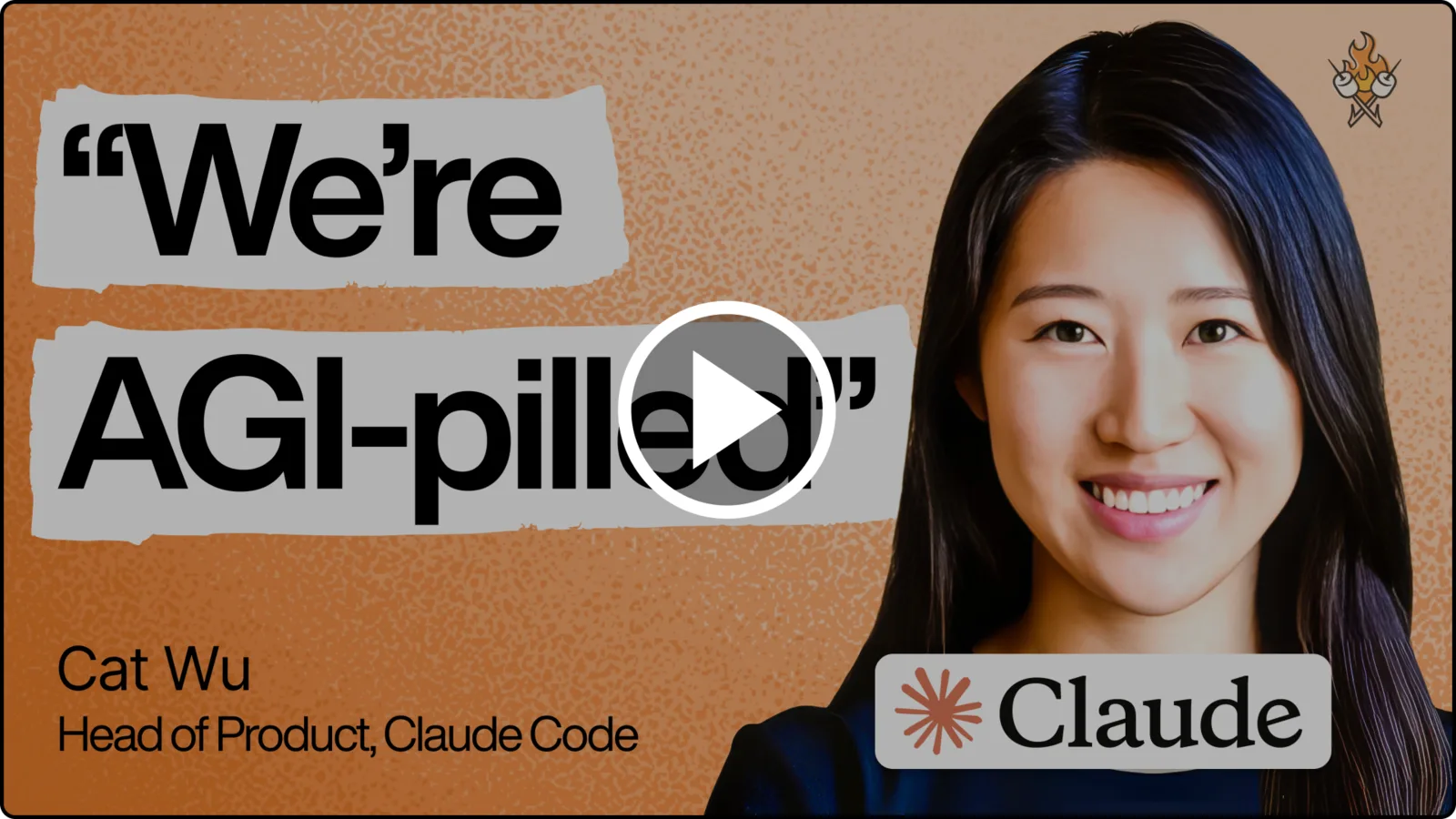
On January 12, 2026, Anthropic launched a research preview of Cowork, bringing the kind of ability Claude Code has to carry out tasks directly into a broader range of knowledge work. It entered the desktop app and could reach local files and external tools that had been authorized. By the spring of that year, Cat's identity in public interviews was already product lead for Claude Code and Cowork. Official release notes; Lenny's interview with Cat
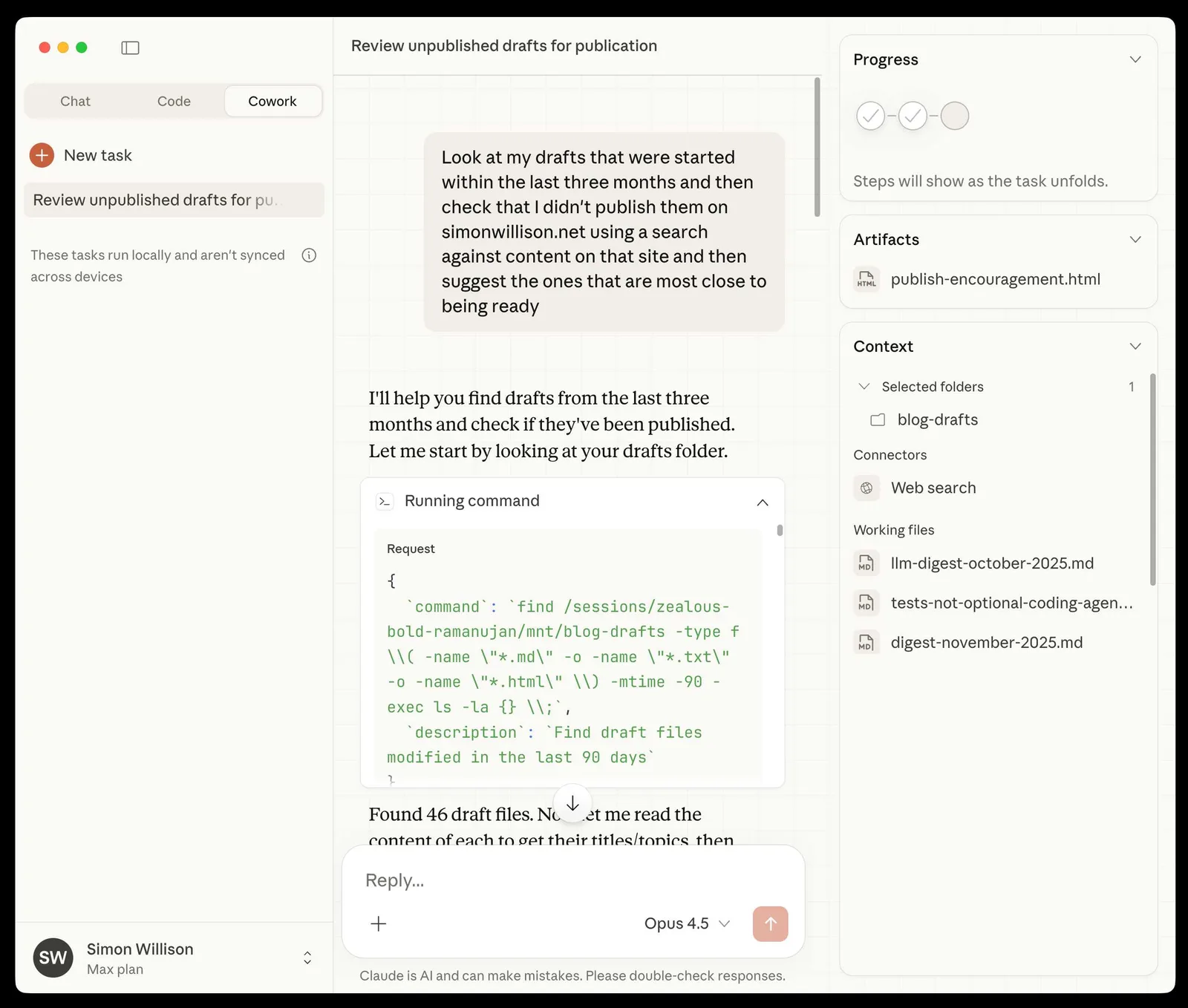
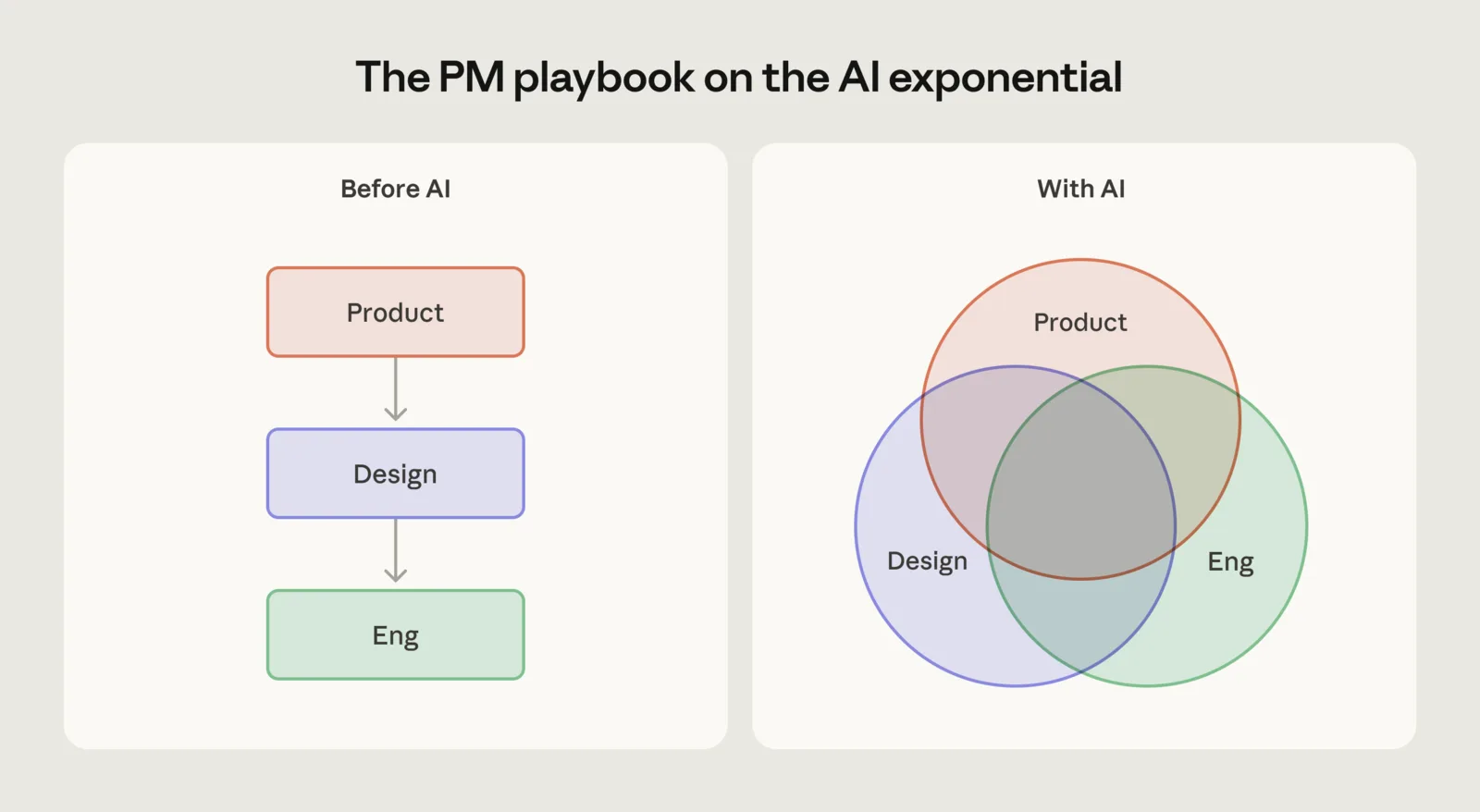
The change in who was being served meant the product had to deal with new troubles. Programmers are used to the terminal, know where files are, and more readily understand the consequences of running a command. Users in other roles need an entry point that is easier to understand, and also need to know what the AI is doing and which actions they themselves have to confirm. Cat's work thus expanded from a programming tool to broader human-machine collaboration.
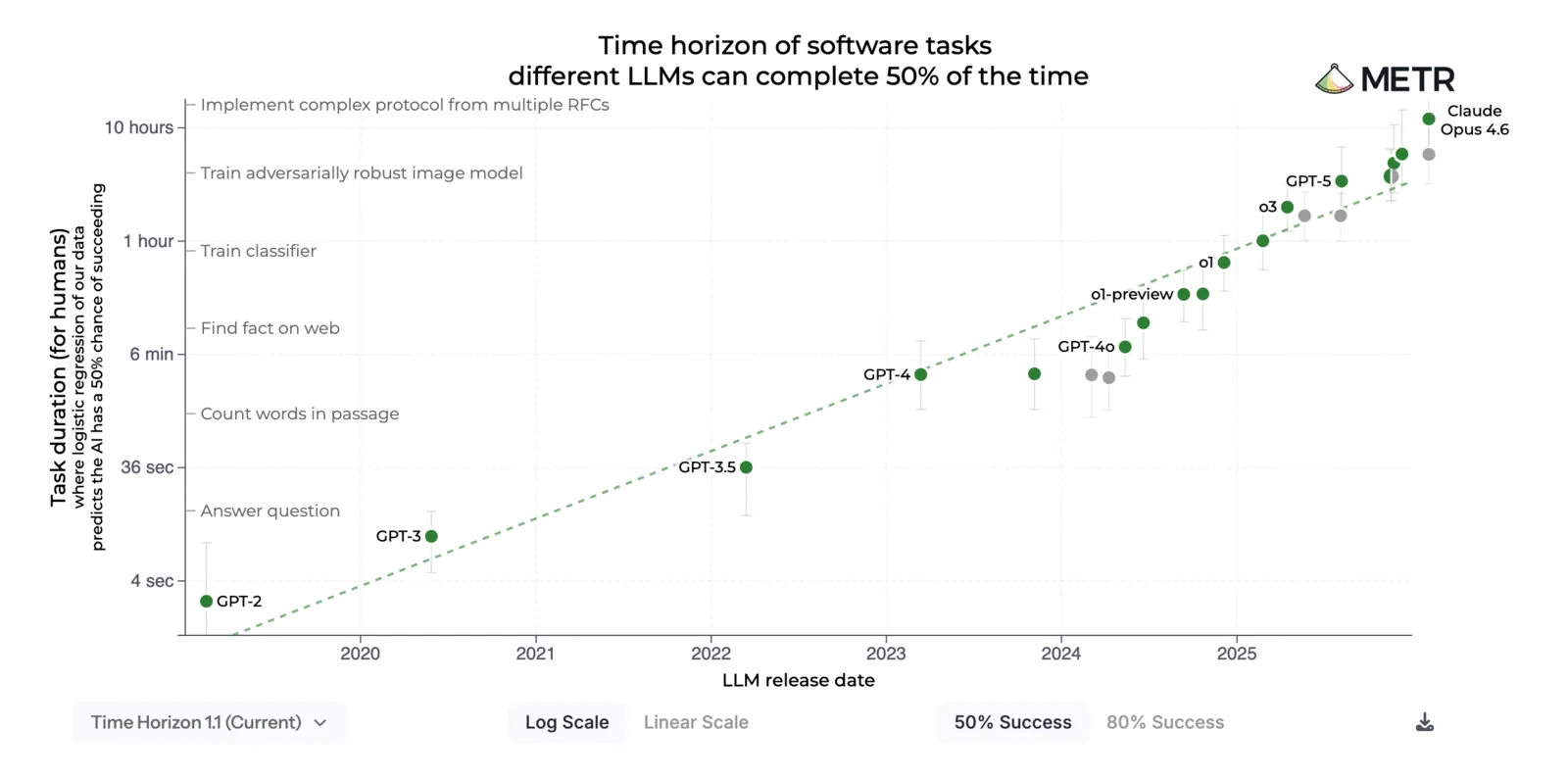
Her observations of model progress also run through this stretch of product expansion. From October 2024 on, she repeatedly gave new models the same task: have Claude Code add a table feature to the open-source drawing tool Excalidraw. At first it could not do it; later it succeeded occasionally; later still, the team dared to take it in front of developers and demo it live. Repeating the same task made model progress something that could be observed directly. Her record of the Excalidraw experiment
For a product lead, this changes the basis of planning. An idea that failed a few months earlier may be worth trying again; complicated processing added in the past to make up for what the model lacked may also no longer be necessary. Cat had to understand, at the same time, users' work and the new capabilities the model had just gained.
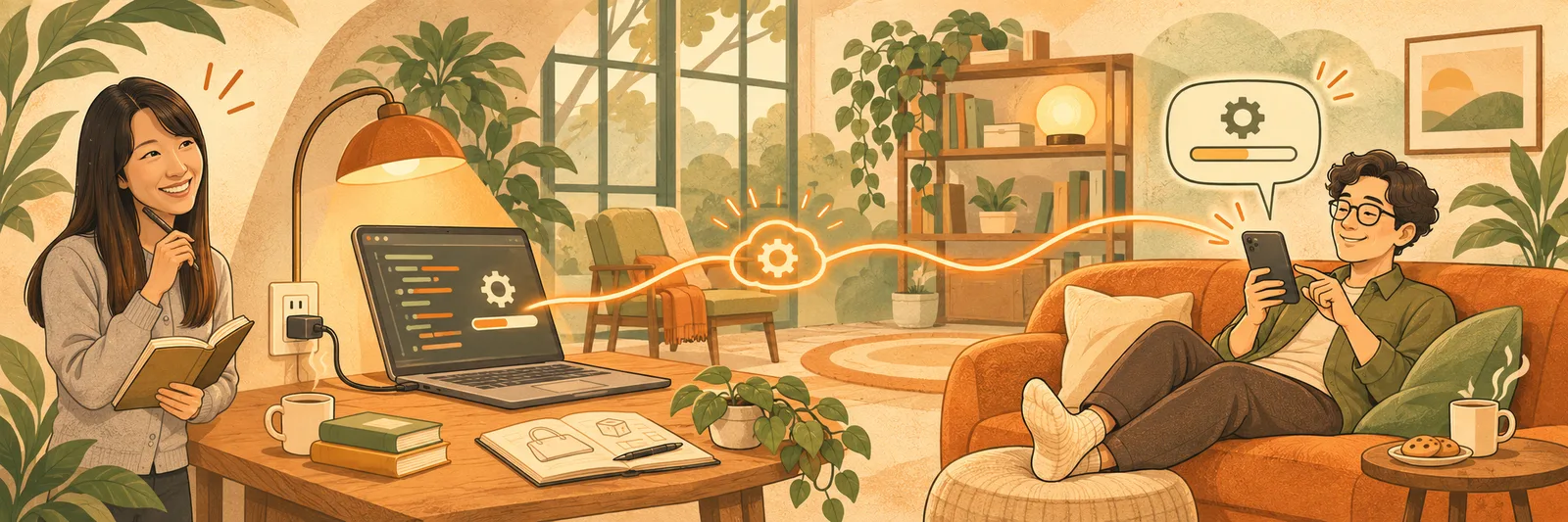
She also gets judgments wrong. In 2026, in an interview hosted by Simon Willison, she admitted that at first she did not really understand the need for Remote Control. She herself was used to starting cloud tasks directly and felt there was no need to remotely control a local session. Later, users told her that they would plug the laptop into power, let Claude Code keep working, and then sit on the sofa with a phone and continue operating. The team therefore began to take this way of using it more seriously. The Remote Control case from the conference interview
In the same interview, she also talked about another experience that leaves people irritated. A user assigns five things; the Agent finishes two and then stops to ask whether to continue. The parts already finished may all be correct, but the user still has to come back and urge it on. The team adds this feedback to behavioral evaluations and checks whether later changes have improved the experience. The behavioral-evaluation discussion from the conference interview
These examples make her abilities more concrete. She needs to recognize why a model that looks smart is still a bother in actual work, and she also needs to accept that her own work habits cannot stand for everyone. Whether a feature is valuable depends on how other people use it.
The range of collaboration she takes part in discussing is still expanding. In the official event description for Anthropic's Claude Tag, Cat, together with engineers, shows users how the team hands work to an Agent in Slack, what the Agent can see, and how permissions are handled. The work expanded from a back-and-forth between one person and one assistant to a process that many people take part in together. Official Claude Tag event
From engineering and commercialization, to a personal programming tool, and then to office work and team collaboration, these experiences let her accumulate a relatively complete body of Agent product experience. My understanding is that what is most valuable about her is the ability to turn a capability a technical team has just built into a product that users can understand, can control, and are willing to keep using. This judgment has specific work as its basis, but how much she personally contributed to revenue or retention, the public material still cannot answer.
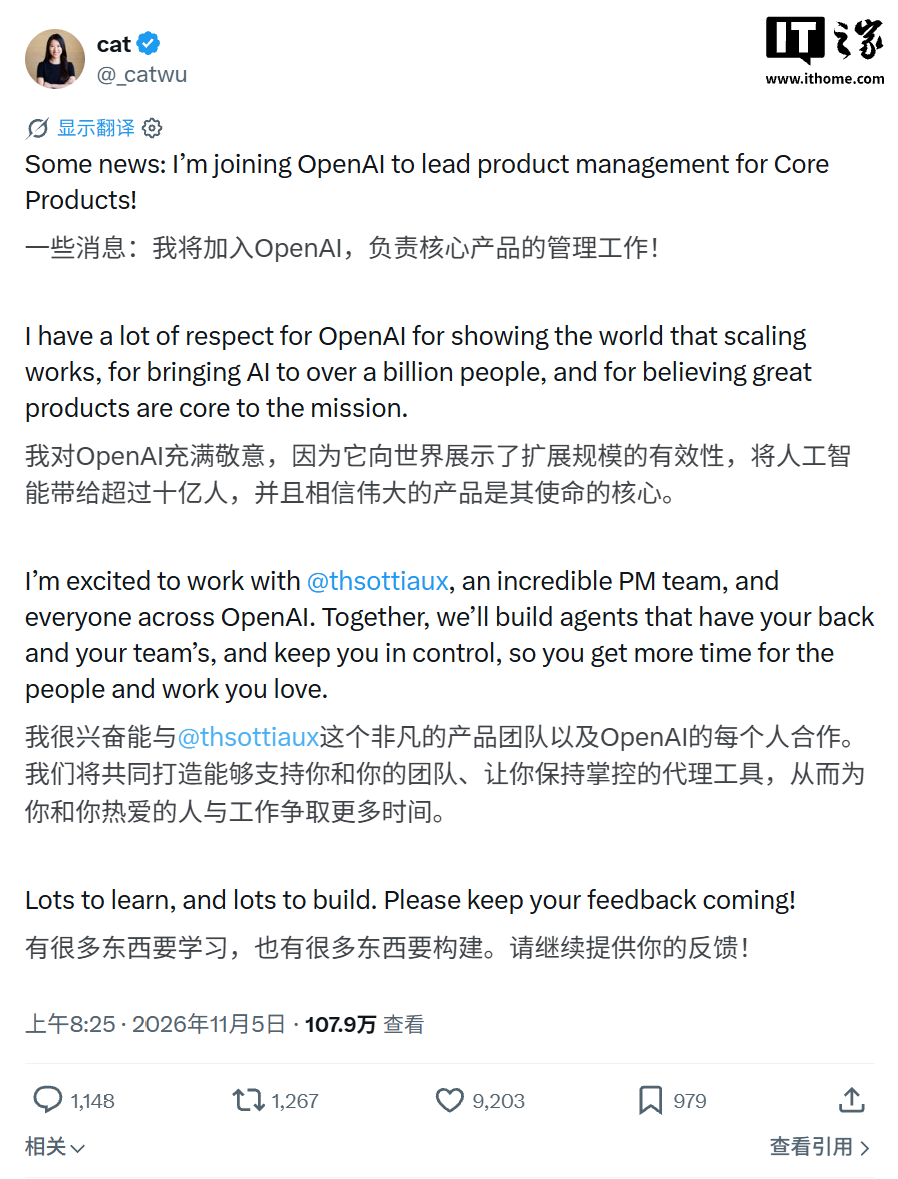
On October 30, 2026, Cat ended her work at Anthropic. On November 3, she posted a farewell; on the evening of the next day, U.S. Eastern Time, she announced that she would go to OpenAI. She did not explain in detail why she was leaving. The new role is clearly head of product management for Core Products; the announcement itself does not list every product she will run on her own. A check of the timing and wording of the appointment announcement
In the announcement, she mentioned looking forward to working with Tibo and OpenAI's product team to build Agents that support individuals and teams while letting people keep control. This connects to problems she had gradually come into contact with over the past two years. A tool can take on more of the work; a person still needs to know how to assign the task, and when they should step in. Her appointment announcement
As of November 5, 2026, what can still be written about her story at OpenAI is only the appointment and this public statement. Her past experience can explain why this hire drew attention; what she can build next has to wait for new products to answer.